


 Scan and Follow Us


Seminar on Industrial Green and Low-Carbon Development under Lancang-Mekong Cooperation Framework Successfully Held in Beijing
All-China Environment Federation Helps Build an International Platform for Lancang-Mekong Ecological Industry Cooperation
On May 25, the Seminar on Industrial Green and Low-Carbon Development under the Lancang-Mekong Cooperation Framework was held at the Research Center for Eco-Environmental Sciences, Chinese Academy of Sciences. Co-hosted by the Ecological Society of China and its Professional Committee of Industrial Ecology, and undertaken by the Research Center for Eco-Environmental Sciences, Chinese Academy of Sciences as well as the Belt and Road Eco-Industry Cooperation Working Committee of the All-China Environment Federation, the event has built a practical and efficient international cooperation platform for linking ecological and environmental governance needs of Lancang-Mekong countries with China’s green technologies.
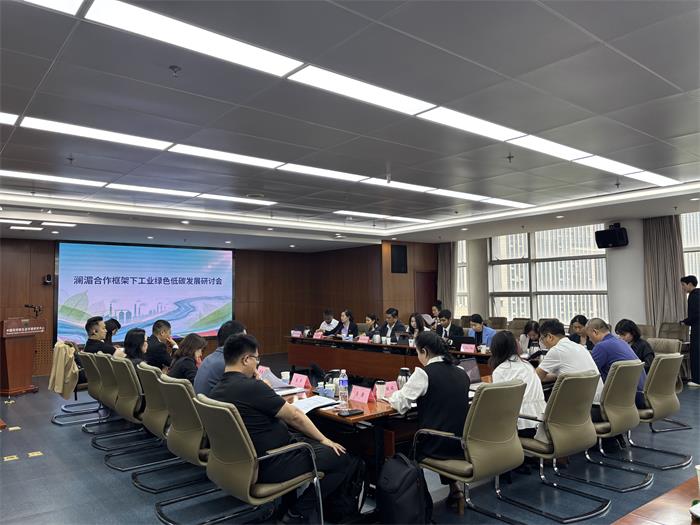
In the morning, government delegates, industry experts from Cambodia, Vietnam, Thailand, Laos and other countries, together with representatives from domestic research institutions, gathered at the venue. They conducted in-depth exchanges on industrial park development, low-carbon transition planning and industrial development experience, and shared information on respective policy systems and current development status, laying a solid foundation for future cooperation.
In the afternoon, Shi Xiang, Secretary-General of the Belt and Road Eco-Industry Cooperation Working Committee of the All-China Environment Federation, presided over the session. Focusing on the environmental governance needs of participating countries, the event featured technology showcases and cooperation negotiations. All participants agreed that 2026 will be a crucial year for Chinese environmental and energy enterprises to go global, presenting a major strategic opportunity for the international development of the green industry.
Representatives from Various Countries Introduce Local Environmental Governance Progress and Cooperation Demands
At the opening of the afternoon session, delegates from Cambodia, Vietnam, Sri Lanka and other countries briefed the participants on the current situation, development goals and cooperation needs of local environmental governance.
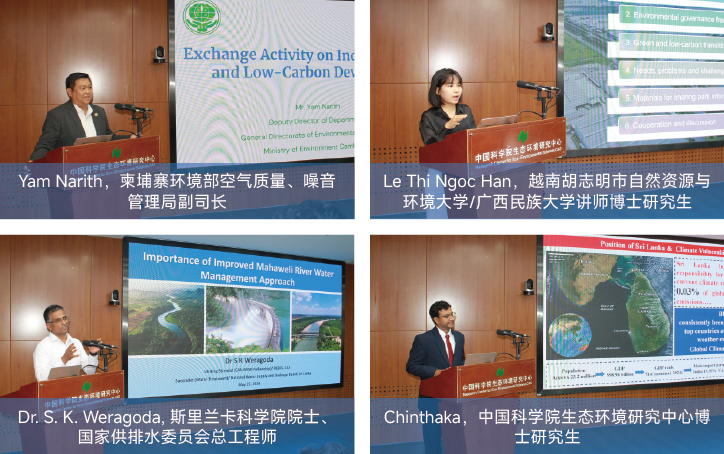
Yam Narith, Deputy Director of the Air Quality and Noise Management Department under Cambodia’s Ministry of Environment, stated that Cambodia’s industrial sector has maintained steady growth with more than 1,800 factories in operation. The country has rolled out relevant plans for green development and set the goal of achieving carbon neutrality by 2050. It is promoting industrial upgrading in line with the principles of circular economy, yet still confronted with challenges including high energy costs, low penetration of clean energy and insufficient capacity for hazardous waste disposal. Cambodia looks forward to introducing advanced environmental technologies to improve the systems for industrial park pollution control and energy consumption management.
Le Thi Ngoc Han, Lecturer from Ho Chi Minh City University of Natural Resources and Environment in Vietnam, noted that Vietnam is advancing the ecological transformation of traditional industrial parks through policy optimization, infrastructure upgrading, stricter supervision and technology introduction. The country expects to deepen cooperation with China in environmental monitoring and wastewater treatment.
Dr. S.K. Weragoda from the National Water Supply and Drainage Board of Sri Lanka elaborated on the protection of the Mahaweli River Basin, a key water source for agriculture, industry and domestic use across the country. Currently, the basin suffers from declining water quality, uneven water allocation and inadequate disaster prevention and regulation systems, calling urgently for intelligent management and comprehensive treatment technologies.
Chinthaka, a doctoral candidate at the Research Center for Eco-Environmental Sciences, Chinese Academy of Sciences, shared the outcomes of China-Sri Lanka cooperation. Sri Lanka has put forward the vision of carbon neutrality and faces arduous tasks in industrial emission reduction, where eco-industrial parks serve as a core driver for transition. The two sides have carried out cooperation in multiple industrial parks and enterprises. Drawing on China’s technologies and experience, localized standards have been established to boost waste recycling and carbon emission reduction, forming replicable models for regional cooperation.
Enterprise Presentations: Full-Chain Green Technology Solutions Target Lancang-Mekong’s Transformation Needs
During the enterprise sharing session, representatives from multiple companies introduced their technological achievements and practical experience in wastewater treatment, solid waste disposal, intelligent environmental monitoring, green industrial park planning, energy-saving and environmental protection equipment, as well as comprehensive water environment management.
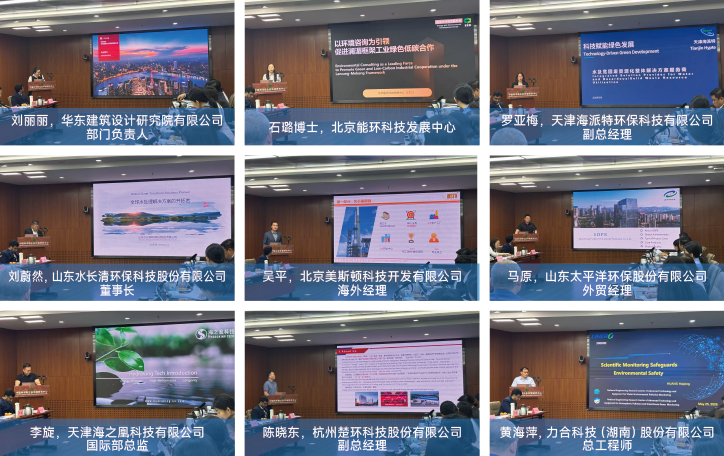
Liu Lili, person-in-charge of a department at East China Architectural Design & Research Institute Co., Ltd., said the institute boasts profound expertise in green park planning and building carbon neutrality. It is capable of delivering full-chain solutions covering planning, design and application of green and low-carbon technologies for industrial parks and new urban areas in Lancang-Mekong countries. The institute has rich experience in international projects, including the 600MW Mengsong Mountain Wind Power Project in Laos, the headquarters of three major banks in Uzbekistan, the new Kharakhorum urban planning project in Mongolia, and the FERROTEC Semiconductor Industrial Park in Malaysia.
Dr. Shi Lu from Beijing Energy and Environment Technology Development Center shared business models and technical service experience of Chinese environmental enterprises operating overseas. The center has delivered consulting projects in Uzbekistan, Cambodia, Tajikistan and other countries, and completed over 200 projects for international financial institutions. It provides full-life-cycle cross-border environmental consulting covering pre-investment, in-operation, post-investment and exit phases, environmental and social management for international projects, product carbon footprint assessment, green certification and sustainable investment and financing docking, and helps enterprises access green and low-carbon loans from institutions such as the Asian Infrastructure Investment Bank and the Asian Development Bank.
Luo Yamei, Deputy General Manager of Tianjin Hipate Environmental Technology Co., Ltd., introduced that the company focuses on the resource utilization of water-based solid and hazardous waste. Supported by high-performance separation membranes, modular intelligent equipment and full-process solutions, it has expanded business to Belt and Road markets including Russia, Indonesia and Vietnam. It offers customized solutions for reclaimed water reuse, zero liquid discharge, waste salt recycling, drinking water and domestic sewage treatment.
Liu Weiran, Chairman of Shandong Shui Changqing Environmental Technology Co., Ltd., stated that the company mainly produces water treatment chemicals and intelligent dosing equipment with an annual output of 100,000 tons of chemicals. Its intelligent online monitoring devices are listed in the Recommended Catalogue for Belt and Road Environmental Technologies. The company provides integrated solutions to address common pain points in Southeast Asia such as complex water quality, tightened environmental standards and inadequate operation and maintenance capacity.
Wu Ping, Overseas Manager of Beijing Mustone Technology Co., Ltd., presented comprehensive industrial environmental protection solutions. The company’s core businesses include flue gas treatment, industrial wastewater treatment and carbon capture, utilization and storage (CCUS). It holds a market share of over 60% in desulfurization and denitrification for the petrochemical industry, and boasts remarkable advantages in high-efficiency air flotation equipment and carbon capture technologies, with projects already launched in Kazakhstan and Southeast Asia.
Ma Yuan, Foreign Trade Manager of Shandong Pacific Environmental Protection Co., Ltd., said the company holds Grade A qualifications in environmental engineering and specializes in the treatment of high-concentration industrial wastewater. It has delivered more than 700 engineering projects in chemical, petrochemical, pharmaceutical and biological fermentation sectors, and can provide solutions for the treatment and resource utilization of difficult-to-treat wastewater for Lancang-Mekong countries.
Li Xuan, Director of the International Department of Tianjin Horizon Environmental Technology Co., Ltd., highlighted the company’s independently developed Membrane Aerated Biofilm Reactor (MABR) technology. Included in the Catalogue of Promoted Green Technologies (2024 Edition) issued by the National Development and Reform Commission and the Recommended List of Ecological and Environmental Governance Technologies for the Belt and Road Initiative, MABR consumes less than 30% of the energy used by conventional activated sludge processes. It is widely applied to upgrading and expanding municipal sewage treatment facilities, rural sewage treatment and river water purification.
Chen Xiaodong, Deputy General Manager of Hangzhou Chuhuan Technology Co., Ltd., noted that the company has mature technologies and extensive experience in volatile organic compounds (VOC) and odor treatment. It can provide customized solutions tailored to on-site conditions of overseas industrial parks and enterprises, and is fully competent in delivering overseas projects, offering cost-effective and implementable comprehensive solutions for industrial air pollution control in Lancang-Mekong countries.
Huang Haiping, Chief Engineer of Likang Technology (Hunan) Co., Ltd., responded on-site to Vietnam’s monitoring demands. The company supplies a full range of online monitoring equipment and intelligent monitoring systems for water environment quality, pollutant discharge and water supply safety, equipped with advanced facilities such as AI unmanned laboratories. The products feature accurate, stable and traceable data, effectively solving local problems including overpriced monitoring devices and non-standard data management, and delivering one-stop environmental monitoring solutions for Lancang-Mekong countries.
Demand Docking: Foreign Delegates Put Forward Specific Governance Requirements, Chinese Enterprises Respond Actively
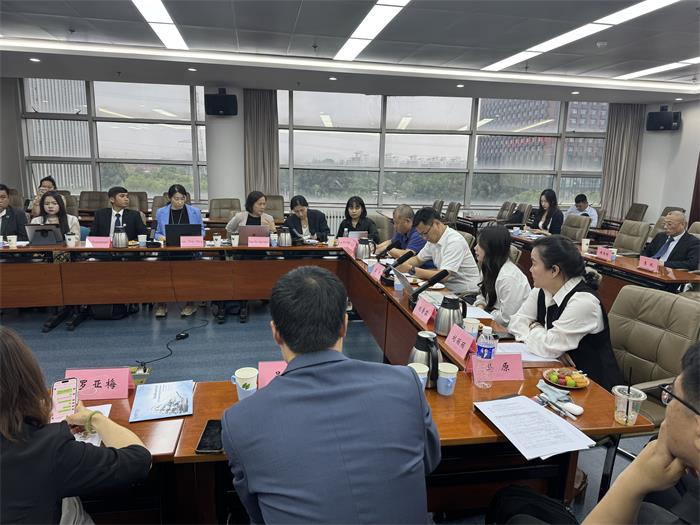
During the interactive session, delegates from various countries raised specific cooperation demands based on local governance challenges. Vietnamese delegates pointed out that the rapid expansion of industrial parks has led to prominent problems such as overpriced monitoring equipment and manipulated data. They are in urgent need of stable and reliable water quality and environmental monitoring systems with traceable data. They spoke highly of Chinese technologies and products, and showed strong interest in advanced technologies such as Membrane Bioreactor (MBR) wastewater treatment.
Laotian delegates indicated that water pollution is severe in central and southern Laos, with inadequate capacity for drinking water guarantee and sewage treatment. The country hopes to introduce proven Chinese water treatment technologies to support ecological protection of the Mekong River Basin and improve people’s livelihoods. In addition, delegates from Cambodia, Sri Lanka and other countries added that there is strong demand for pollution control in chemical, mining, chemical fiber sectors, as well as agricultural non-point source pollution, VOC waste gas and odor abatement. They expect Chinese enterprises to provide customized solutions. Representatives of Chinese enterprises responded positively, committing to delivering customized and cost-effective technologies and services in light of local realities.
Consensus Reached: Promote Practical Application of Green Technologies via Exchanges First, Cooperation Later Model
In open discussions, representatives of Chinese enterprises stated that Lancang-Mekong countries are undergoing rapid industrialization with growing demand for environmental governance. Meanwhile, differences remain in environmental protection priorities, capital input and technological foundations among these nations. The application of China’s advanced technologies and standards should adapt to local conditions and be carried out step by step. All parties reached a consensus: taking the Belt and Road Initiative as a link, we will collaborate with research institutions and mobilize international financial resources. Priority will be given to promoting cost-effective and adaptable water treatment equipment, monitoring systems and comprehensive governance solutions with high market adaptability, so as to balance economic and environmental benefits and advance steady and sound green cooperation.
Platform Empowerment: All-China Environment Federation Continues to Boost International Cooperation in Green Industry
As a key organizer of this seminar, the Belt and Road Eco-Industry Cooperation Committee of the All-China Environment Federation adheres to the philosophy of "Greater China, Greater Environment and Broader Collaboration" and the mission of jointly advancing green and sustainable development under the Belt and Road Initiative, dedicated to supporting high-quality global expansion of Chinese environmental enterprises. Going forward, the Committee will continue to leverage its platform role. In response to market demands in Lancang-Mekong countries and other overseas regions, it will accurately match appropriate technologies, products and partners, streamline communication on policies, demand docking and project implementation, and deliver efficient and practical support for Sino-foreign green industry cooperation, helping China’s green technologies, standards and equipment go global.
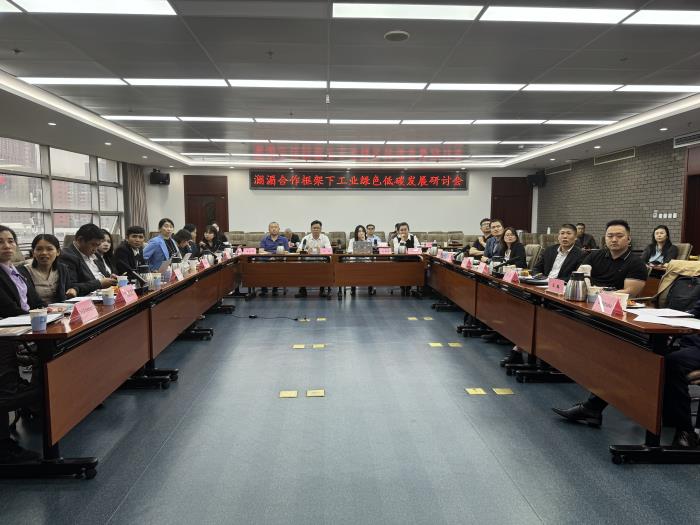
Secretary-General Shi Xiang remarked that this seminar has achieved practical docking, clarified the environmental governance needs of Lancang-Mekong countries, and fully demonstrated the technological strength and service capabilities of China’s environmental protection industry, opening up channels for cross-border industrial cooperation. In the next stage, the Committee will continue to act as a bridge, team up with research institutions including the Chinese Academy of Sciences and integrate international financial resources to export high-quality technologies, equipment and services, and facilitate the green upgrading of industries and improvement of ecological environment in the Lancang-Mekong region.