


 Scan and Follow Us


Key technologies for multi-strand wastewater pretreatment and biochemical treatment in metallurgical industry
Applicating Company
Sinosteel MA Anshan general institute of mining research Co., Ltd
Technology Name
Key technologies for multi-strand wastewater pretreatment and biochemical treatment in metallurgical industry
Technical principle
The cold rolling wastewater, silicon steel wastewater and stainless-steel cold rolling pickling wastewater in the metallurgical industry are composed of multiple wastewaters, including acid-base wastewater, dilute alkali wastewater, concentrated alkali oil-containing emulsification wastewater, chromium-containing wastewater, chromium-free wastewater, leveling liquid and Electroplating wastewater, etc., need to be pretreated for each wastewater when it is disposed of. After the treatment reaches the standard of entering the subsequent treatment unit, the mixed wastewater is biochemically treated, and finally discharged or recycled. The wastewater characteristics per share are as follows:
1.Acidic wastewater contains a variety of heavy metal ions and refractory organic matter. Under certain circumstances, the water quality will change from acidic to alkaline, which is more difficult to handle.
2.The chemical properties of the emulsion wastewater are stable and the treatment is difficult. The general treatment method is easy to cause secondary pollution, the oil is difficult to recover, and the treatment cost is high.
3.The chromium in the chromium-containing wastewater mostly exists in the form of Cr6+, which is difficult to precipitate.
4.The chromium-free wastewater contains grease and aluminum dihydrogen phosphate, which is difficult to degrade.
5. The leveling liquid and electro-galvanizing wastewater are alkaline, with high content of COD, oil and petroleum hydrocarbons, coexistence of heavy metals and organic substances, and it is difficult to degrade.
6.In the process of comprehensive wastewater biochemical treatment, it is easy to fluctuate the influent concentration of various pollutants, making it difficult to adjust the biochemical process, causing damage to microorganisms and membranes and other processes, and the effluent quality is not up to standard.
Scope of application
The technological achievements can be promoted in cold rolling, silicon steel and stainless-steel enterprises across the country.
Process flow and description
Acid-base wastewater
Main pollutant indicators of raw water: pH value is 2.0~3.0, COD is about 1100mg/L, ammonia nitrogen is about 35mg/L, oil and grease is about 5mg/L, and total nitrogen is about 50mg/L.
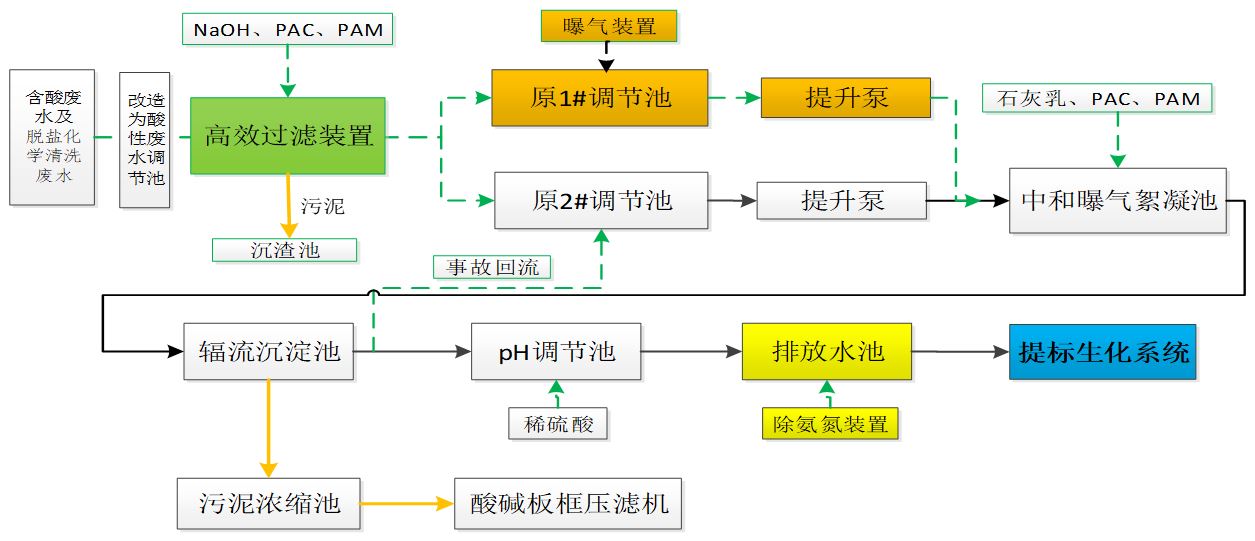
Figure 2.1 Process flow of acid-base wastewater treatment pretreatment
Table 2.1 Removal rate of various pollutants in acid-base wastewater pretreatment
Indicator (average)
PH
CODcr
Ammonia nitrogen
Oils and Greases
total nitrogen
Influent (mg/L)
3.0
1100
35
5
50
Effluent (mg/L)
8.0
320
25
3
30
unit removal rate %
70.9%
28.5%
40%
40%
2.2Concentrated alkali oily wastewater
The main pollutant indicators of raw water: the content of oil and grease is 500mg/L, the content of iron is 25mg/L, the content of 2Na2O-SiO2-5H2O is 1600mg/L, the content of suspended solids is 320mg/L, and the content of COD is 321mg/L.
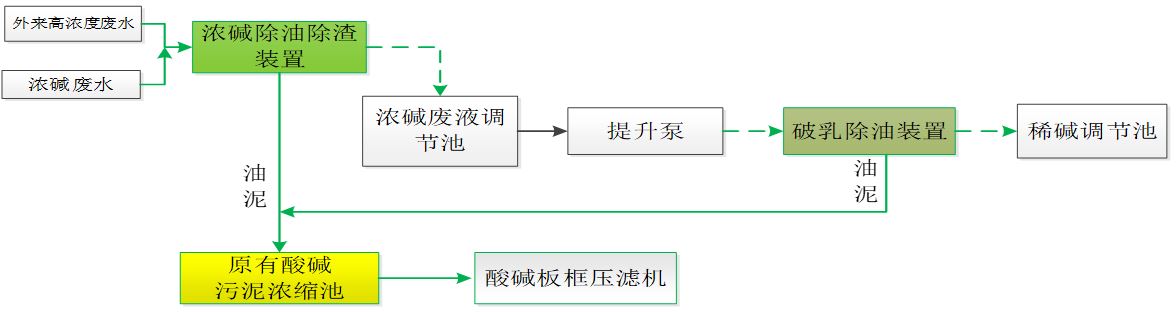
Figure 2.2.1 General flow chart of concentrated alkali oil-containing emulsification wastewater treatment process
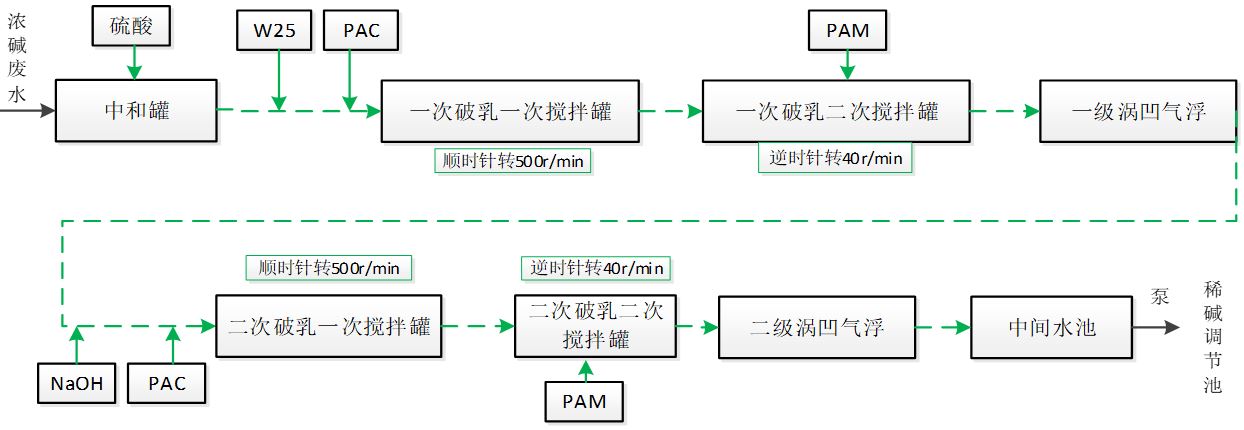
Figure 2.2.2 Process flow chart of concentrated alkali oil-containing demulsification and degreasing system
Table 2.2 Removal rate of various pollutants in concentrated alkali wastewater pretreatment
|
processing unit |
Oils and Greases |
Fe |
2Na2O-SiO2-5H2O |
uspended matter (SS) |
COD |
|
Influent (mg/L) |
500 |
25 |
1600 |
320 |
321 |
|
Effluent (mg/L) |
9 |
6 |
140 |
30 |
250 |
|
unit removal rate % |
98% |
76% |
73.3% |
91% |
12.3% |
2.3Chromium-containing wastewater
Main pollutant indicators of raw water: pH value 2~3, COD content 860mg/L, Cr6+ content 1240mg/L, total chromium content 1320mg/L.
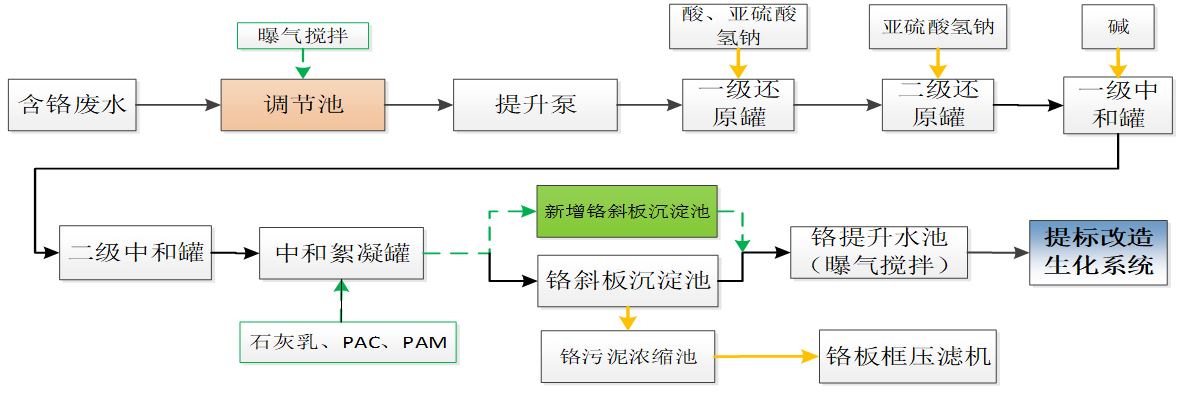
Figure 2.3 Process flow of chromium-containing wastewater pretreatment
Table 2.3 Removal rate of pollutants in pretreatment of chromium-containing wastewater
2.4无铬废水
原水主要污染物指标:pH值6~7,油和油脂含量为20mg/L,磷酸二氢铝含量为38.6mg/L。
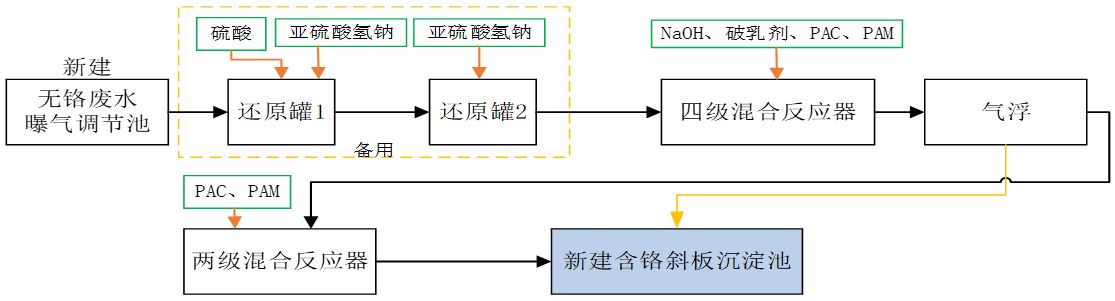
Figure 2.4 Process flow of chromium-free wastewater pretreatment
Table 2.4 Removal rates of various pollutants in chromium-free wastewater
|
Indicator (average) |
PH |
CODcr |
Cr6+ |
total chromium |
|
Influent (mg/L) |
3 |
860 |
1240 |
1320 |
|
Effluent (mg/L) |
7.0 |
490 |
0.03 |
1.0 |
|
unit removal rate % |
|
43.0% |
99.99% |
99.92% |
2.5Leveling liquid and electro-galvanizing wastewater
Main pollutant indicators of raw water: pH value 11~12, COD content 520mg/L, oil and grease content 350mg/L, zinc content 1120mg/L.

Figure 2.5 Process flow of leveling liquid and electro-galvanizing wastewater pretreatment
Table 2.5 Removal rate of pollutants in dilute alkali wastewater containing zinc
|
Indicator (average) |
PH |
CODcr |
Oils and Greases |
Zn |
|
Influent (mg/L) |
11 |
520 |
350 |
1120 |
|
Effluent (mg/L) |
7.8 |
120 |
2.5 |
0.9 |
|
unit removal rate % |
|
76.9% |
99.2% |
99.92% |
2.6Comprehensive wastewater
Main pollutant indicators of mixed wastewater after pretreatment of each unit: COD 250~350mg/L, ammonia nitrogen 10~20mg/L, total nitrogen 20~40mg/L, total phosphorus 0.5~1.0mg/L, oil 5~9mg/L, pH 7.5~8.5.

Figure 2.6 Process flow of mixed wastewater biochemical system treatment after pretreatment of each unit
Table 2.6 Removal rate of main pollutants in biochemical system
|
Indicator (average) |
COD |
Ammonia nitrogen |
total nitrogen |
total phosphorus |
oil |
PH |
|
Influent (mg/L) |
368 |
20 |
40 |
0.62 |
9 |
8.5 |
|
Effluent (mg/L) |
32.35 |
2.24 |
10.4 |
0.09 |
0.32 |
7.4 |
|
unit removal rate % |
91.21% |
88.8% |
74% |
85.48% |
96.4% |
|
Promotion prospects
The technological achievements can be promoted in cold rolling, silicon steel and stainless-steel enterprises across the country.